

Quick answer: The best designer lehenga choli for brides combines a flattering silhouette, premium fabric like silk or velvet, and intricate handwork such as zardozi or sequins. Choose deep reds and maroons for traditional ceremonies, pastels for daytime events, and prioritize fit and comfort so you can move freely on your big day.
Finding the right bridal lehenga can feel overwhelming. There are hundreds of colors, fabrics, and embroidery styles to weigh up—and the price tags can climb fast. Get it right, and you’ll feel radiant in every photo. Get it wrong, and you may spend your wedding tugging at an uncomfortable blouse.
This guide breaks down everything you need to know before you buy. You’ll learn how to match your lehenga to each wedding function, which fabrics suit different seasons, and how to balance budget with quality. By the end, you’ll shop with confidence and know exactly what makes a designer lehenga choli worth the investment.
Key Takeaways
- Fabric matters most for both comfort and drape—silk, velvet, and georgette each serve different functions and seasons.
- Color sets the tone: classic red and maroon suit main ceremonies, while pastels and ivory work beautifully for receptions and daytime events.
- Fit is non-negotiable: a well-tailored blouse and waist make even a simple lehenga look custom-made.
- Match the lehenga to the occasion—a heavy bridal piece for the wedding, something lighter for the sangeet or mehendi.
- Buy early to allow time for alterations, which most bridal lehengas require.
What makes a designer lehenga choli “the best” for brides?
A great bridal lehenga balances four things: silhouette, fabric, craftsmanship, and comfort. Designer pieces stand out because of hand-done embroidery, quality lining, and structured stitching that holds its shape through hours of celebration.
The “best” choice is personal. A bride with a petite frame may shine in an A-line cut, while a flared lehenga adds drama for taller brides. What stays constant is quality: real handwork, durable fabric, and a finish that photographs beautifully under any light.
Which lehenga fabric should brides choose?
Fabric affects how your lehenga looks, feels, and moves. Here’s how the most popular bridal fabrics compare.
|
Fabric |
Best For |
Drape & Feel |
Season |
|---|---|---|---|
|
Silk (Banarasi/Raw) |
Traditional ceremonies |
Rich, structured, regal |
Winter, cooler months |
|
Velvet |
Grand, heavy bridal looks |
Plush, weighty, luxurious |
Winter weddings |
|
Georgette |
Receptions, sangeet |
Lightweight, flowy |
Summer, all-season |
|
Net |
Reception, glam looks |
Sheer, delicate |
All-season |
|
Organza |
Daytime, pastel events |
Crisp, airy |
Spring, summer |
Choose silk or velvet if you want a heavy, traditional look and your wedding falls in cooler weather. Choose georgette or organza if comfort and movement matter more, especially for summer or daytime functions.
What color lehenga is best for a bride?
Color carries deep meaning in Indian weddings. Red and maroon remain timeless for main ceremonies, symbolizing prosperity and love. But modern brides are widening the palette.
- Red & maroon: the classic choice for the wedding ceremony.
- Pink & rose: romantic and flattering on most skin tones.
- Pastels (mint, lavender, peach): ideal for daytime and intimate functions.
- Ivory & gold: elegant for receptions and Christian or fusion weddings.
- Emerald & royal blue: bold, contemporary alternatives that stand out in photos.
How should brides match a lehenga to each wedding function?
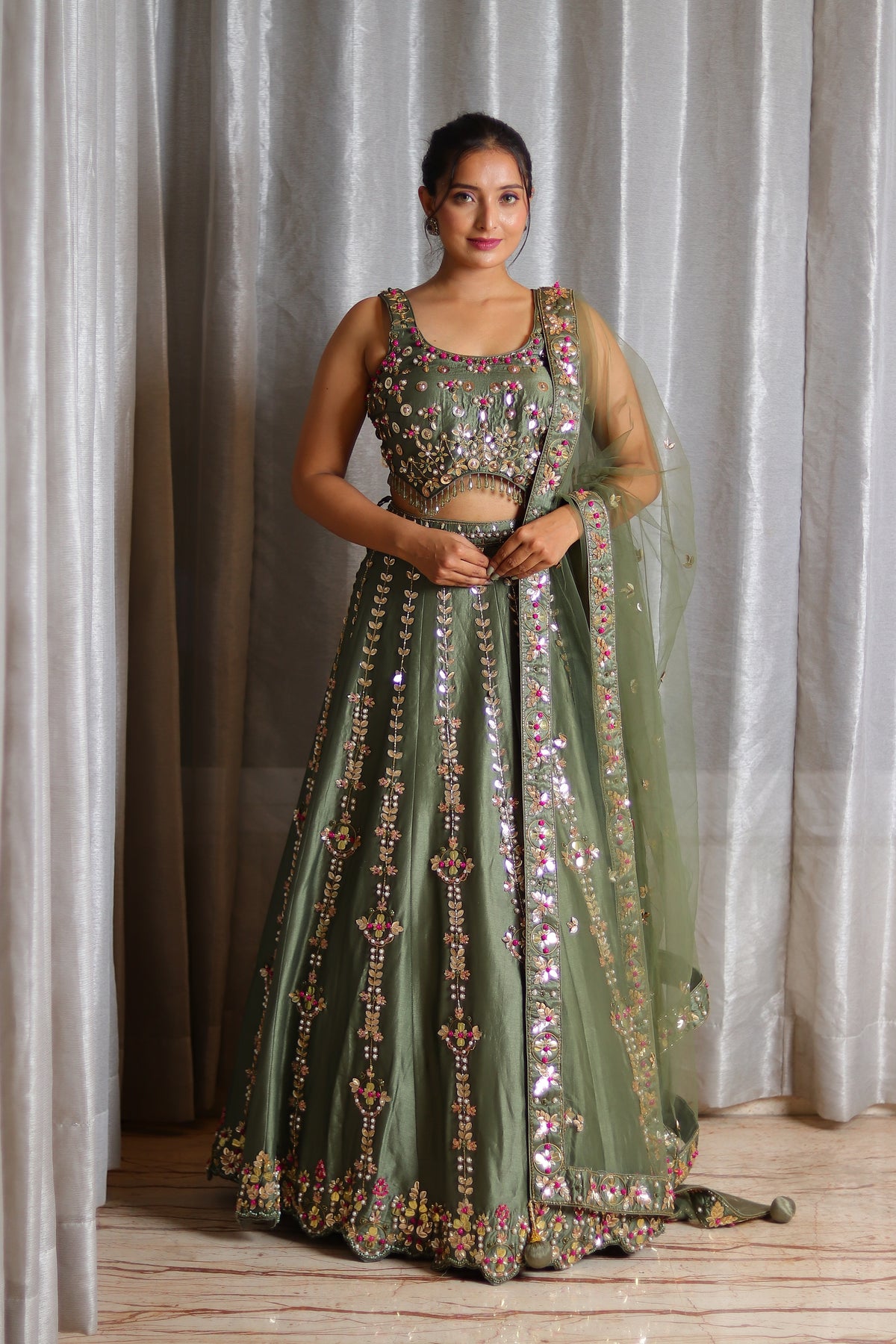
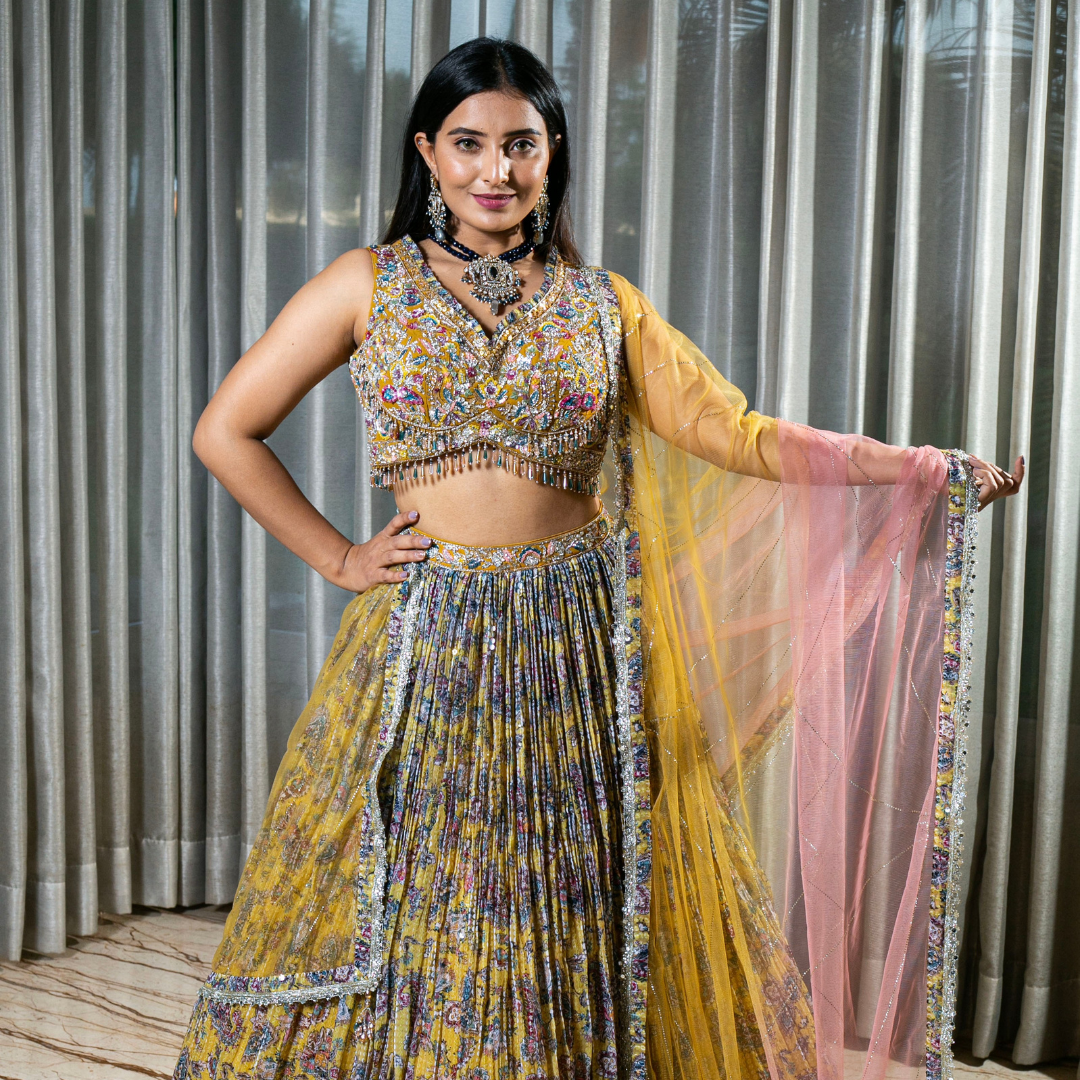
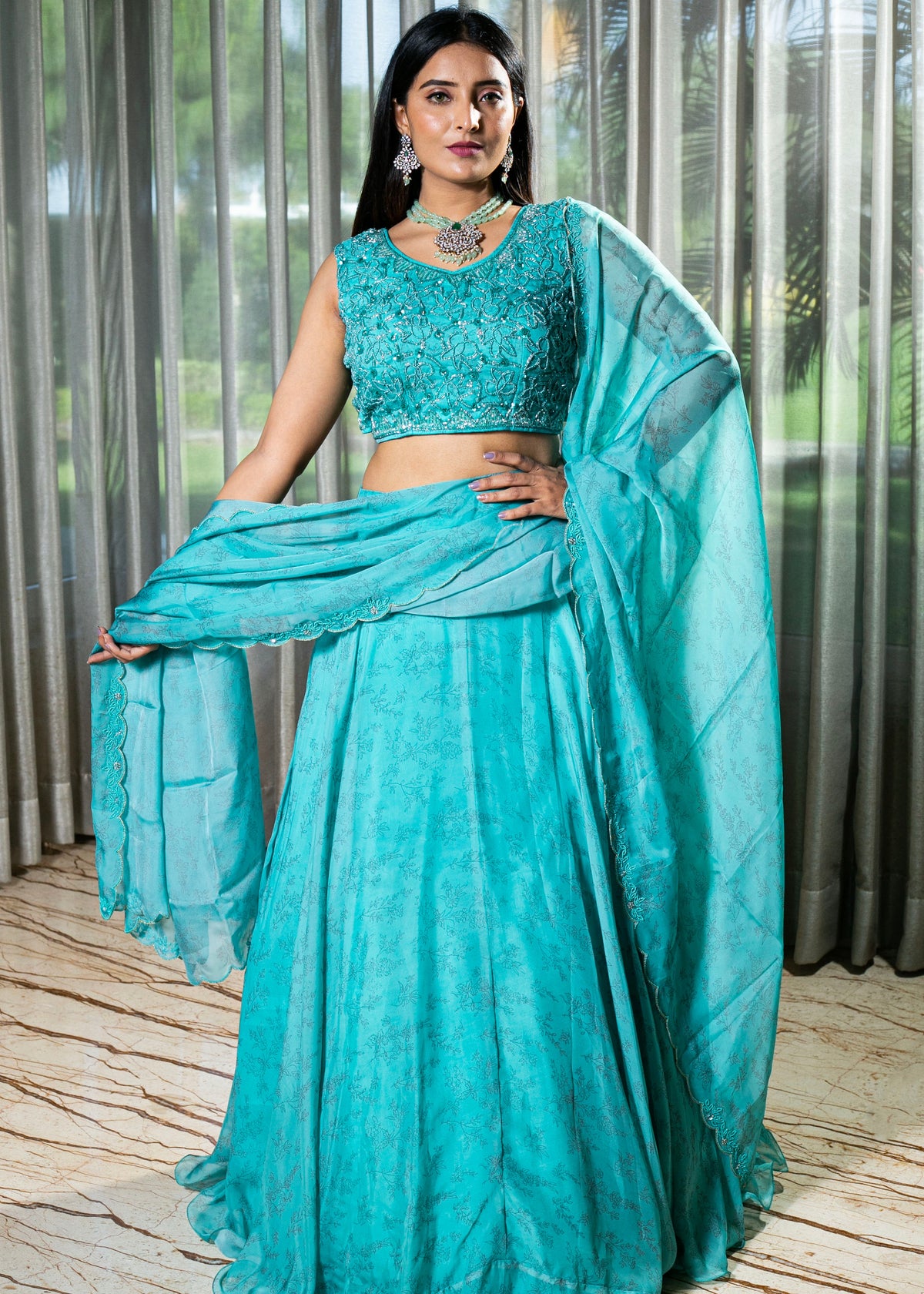
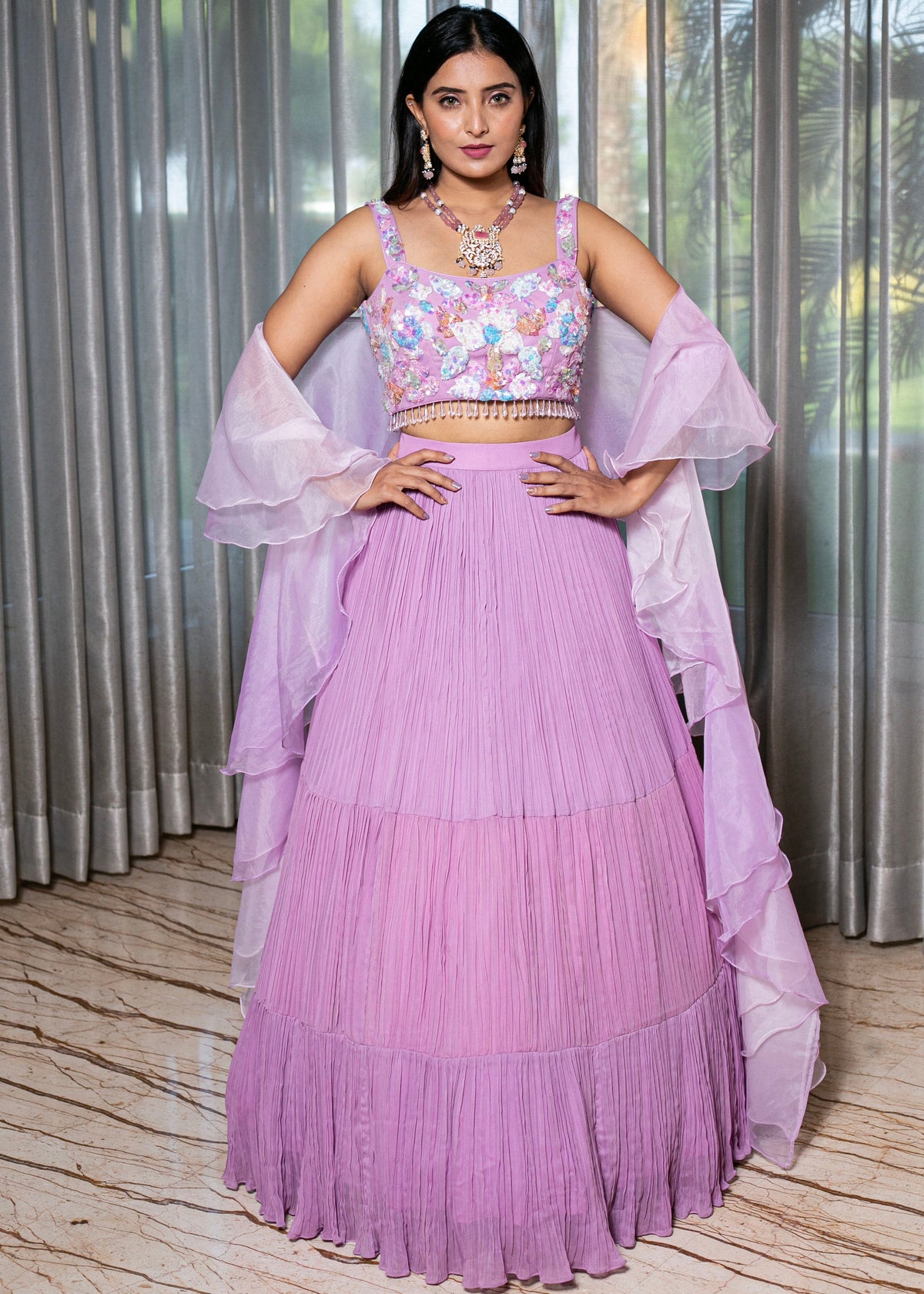
Most Indian weddings span several events, and one lehenga rarely fits all of them. Here’s a simple way to plan.
|
Function |
Recommended Style |
Weight |
|---|---|---|
|
Wedding ceremony |
Heavily embroidered silk or velvet |
Heavy |
|
Reception |
Net or georgette with shimmer |
Medium |
|
Sangeet |
Flowy, dance-friendly georgette |
Light–Medium |
|
Mehendi |
Bright, comfortable cotton-silk |
Light |
Expert insight: what stylists look for
Bridal stylists consistently stress the same priorities. First, prioritize fit over everything—a custom blouse transforms the whole look. Second, check the weight before you commit; a lehenga that looks stunning on a hanger can be exhausting to wear for eight hours. Third, examine the embroidery up close: genuine zardozi and hand-sequin work catch light far more beautifully than printed imitations.
A practical tip from seasoned tailors: always buy with two to three weeks of buffer for alterations. Bridal lehengas almost always need adjusting at the waist, blouse, and hem for a flawless fit.
How much should brides spend on a designer lehenga?
Pricing varies widely based on fabric, handwork, and detailing. As a rough guide:
- Entry designer range: lighter handwork, ideal for sangeet or reception.
- Mid-range: balanced embroidery and premium fabric—the sweet spot for most brides.
- Premium bridal: intricate hand embroidery, heavy fabric, fully customized fit.
Spend the most on the piece you’ll wear for the main ceremony, since that’s what appears in most of your wedding photos. You can choose lighter, more affordable options for secondary events.
Explore designer bridal lehengas
Ready to find the one? Browse the curated designer lehenga collection at House of Fakir Chand to discover handcrafted pieces in a range of fabrics, colors, and styles—built for brides who want quality and timeless elegance. Book early to allow time for fittings, and step into your big day feeling effortlessly radiant.
Frequently Asked Questions
Which fabric is best for a bridal lehenga?
Silk and velvet are best for traditional, heavy bridal looks in cooler weather, while georgette and organza suit summer and daytime functions thanks to their lightweight, flowy feel.
What is the most popular color for bridal lehengas?
Red and maroon remain the most popular colors for the main wedding ceremony, as they symbolize love and prosperity. Pastels and ivory are rising favorites for receptions and daytime events.
How early should a bride buy her lehenga?
Brides should buy their lehenga at least two to three months before the wedding. This allows enough time for alterations at the waist, blouse, and hem to ensure a perfect fit.
Can one lehenga work for multiple wedding functions?
It’s possible but not ideal. A heavy bridal lehenga suits the main ceremony, while lighter georgette or net styles work better for the sangeet, mehendi, or reception where you’ll move and dance more.
How do I know if a lehenga has genuine designer handwork?
Examine the embroidery closely—genuine zardozi and hand-sequin work have texture and catch light, while printed or machine versions look flat. Quality lining and neat stitching are also signs of true designer craftsmanship.
